Bark Type: A Quirky Dog Font for Bold Brand Identity
I opened a blank file on my screen with the usual mix of caffeine and anxiety that comes before a new branding project. The client, a local artisanal dog treat bakery, wanted something that felt warm, fun, and undeniably canine without looking like a generic clip-art logo. They needed personality. They needed Bark Type - Quirky Dog Font. As I dragged the typeface into my design software, I knew immediately that this was going to be different from the standard sans-serif or serif choices we usually rely on.
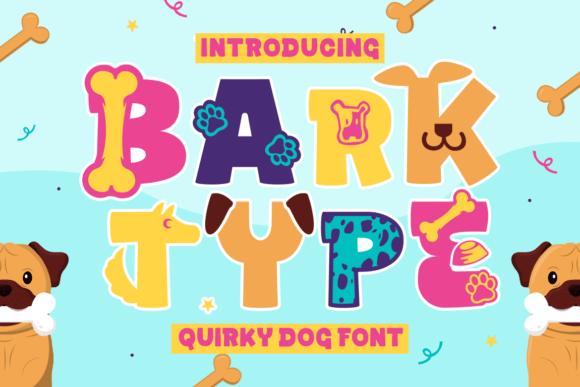
The moment the letters appeared, the mood shifted. This isn't just another decorative font; it is a playful, bold typeface inspired by man's best friend that brings an instant sense of joy to any layout. The thick, rounded strokes feel substantial yet friendly, making it perfect for various applications ranging from packaging to social media graphics. But how does a display font actually perform in a real-world brand system? Let me walk you through my journey testing Bark Type for this client's visual identity.
First Impressions: From Mockup to Logo Concept
When I first dropped the name of the bakery onto a business card mockup, the result was striking. The letters in Bark Type have a distinct character—they are chunky and inviting, almost like they are wagging their tails at the viewer. In logo design, where recognition is everything, this font offers immediate impact. It doesn't whisper; it announces with a happy bark.
I experimented with different weights and spacing. The font works exceptionally well as a headline font because its thick letters command attention without feeling aggressive. However, I quickly realized that using it for long paragraphs would be a disaster. Like many creative fonts, Bark Type is designed to be seen, not read extensively. It shines as a display font, ideal for logos, headers, posters, and flyers where visual hierarchy needs to be established instantly.
The challenge was balancing the quirkiness with professionalism. For a pet product brand, "fun" is essential, but it shouldn't look amateurish. By adjusting the kerning and pairing it carefully, I found that Bark Type could elevate the brand perception rather than dilute it. The font's unique curves add a human touch that makes the business feel approachable and trustworthy.
Building a Cohesive Brand Identity
Once the logo was finalized, the real test began: applying Bark Type across the entire brand ecosystem. We moved from the logo to packaging design, where the font played a starring role. Imagine a bag of organic dog treats featuring the bold, quirky text against a kraft paper background. The contrast between the rustic texture and the modern, thick typography created a dynamic visual that stood out on a shelf.
In editorial design and social media graphics, consistency is key. I used Bark Type for the main headlines on Instagram posts and website headers. Its legibility remains high even at smaller sizes when used for short phrases or call-to-action buttons. For example, a "Shop Now" button in Bark Type feels more engaging than a standard button, encouraging clicks through its playful nature.
However, a brand identity is more than just one font. To create a balanced system, I had to think about font pairing. Bark Type is too dominant to stand alone for body text. I paired it with a clean, neutral sans serif font for descriptions and a soft script font for handwritten-style notes. This combination allowed the quirky dog font to take center stage while ensuring the informational content remained easy to read. The sans serif provided structure, while the script added a personal, craft-oriented vibe that matched the handmade nature of the products.
Practical Considerations for Designers
If you are considering adding Bark Type to your toolkit, there are practical steps to take before committing to a full rebrand. First, always check the included styles and alternates. Some premium fonts come with special ligatures or alternate characters that can change the flow of your text entirely. For a font like this, which relies on personality, those small details matter immensely.
Testing the font in various contexts is crucial. Does it look good on a large shop sign? Yes. Does it work on a tiny product label sticker? You might need to adjust the size significantly to maintain clarity. I recommend creating a mini style guide early in the process. Define where the font can be used and where it should be avoided. For instance, using Bark Type for legal disclaimers or fine print is a no-go. It simply lacks the neutrality required for such tasks.
Another important factor is multilingual support. If your client plans to expand internationally, you need to verify if the font supports other languages. While many decorative fonts are limited to Latin characters, checking the file formats and licensing terms ensures you won't run into legal issues later. Commercial font licensing is vital for professional work, so ensure you have the proper rights for your specific use case, whether it's digital templates, merchandise, or printed marketing materials.
Why Bark Type Stands Out in Modern Typography
In a sea of minimalist, monochromatic designs, Bark Type offers a breath of fresh air. It taps into the emotional side of design, evoking feelings of nostalgia and playfulness. This is particularly effective for brands targeting families, pet owners, or anyone looking for a lighthearted experience. The font's ability to convey a specific mood makes it a powerful tool for brand storytelling.
Whether you are designing a creative studio portfolio, a local restaurant menu, or a handmade shop's online store, this decorative font adds a layer of uniqueness that standard typefaces cannot match. It transforms a simple tagline into a memorable statement. When used correctly, it enhances audience engagement by breaking the monotony of typical corporate design.
Ultimately, Bark Type proved to be more than just a pretty face for the logo. It became the voice of the brand, speaking directly to the heart of the customer. From the first mockup to the final brand materials, the font held up under scrutiny, proving that a well-chosen typeface can define the success of a visual identity. If you are looking for a creative font that brings energy and charm to your projects, giving Bark Type a try is a decision you won't regret.